

Trading has become an increasingly popular way for individuals to grow their wealth and achieve financial independence. For beginners, the allure lies in the potential for quick profits and the flexibility to trade from anywhere. But trading is far from a guaranteed success story-it requires knowledge, discipline, and strategy.
At its core, trading involves buying and selling financial instruments like stocks, currencies, or commodities to profit from market movements. While the opportunities can be exciting, the risks are equally significant. Many new traders face challenges such as market volatility, emotional decision-making, and a lack of understanding of key concepts.
This article aims to guide you through the essentials of trading for beginners. You’ll learn how to start trading strategically, avoid common mistakes, and build a strong foundation for long-term success. Whether you’re just getting started or considering your first steps, this guide will help you approach trading the right way.
Trading Basics for Beginners
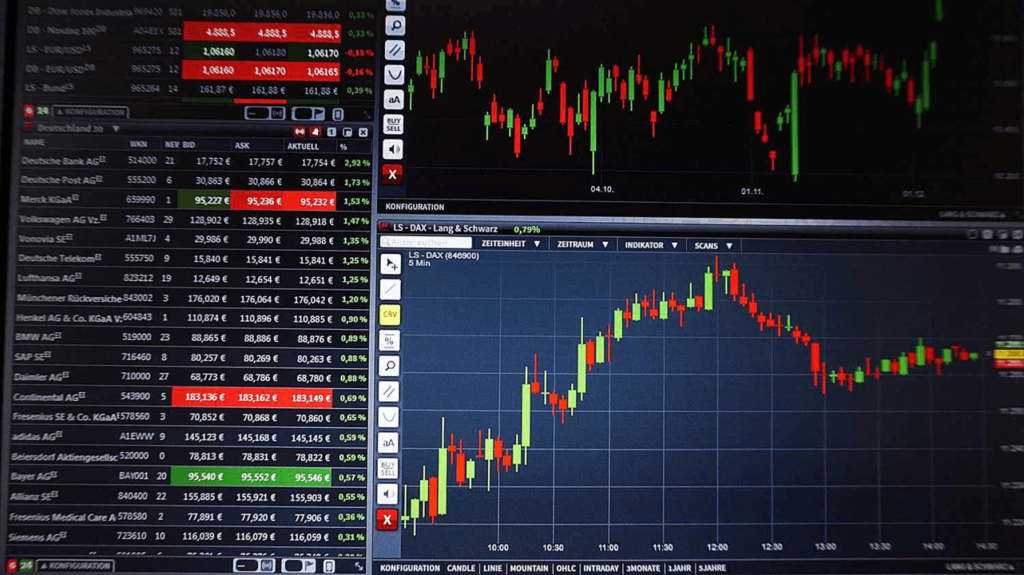
When stepping into the world of trading, understanding the fundamentals is crucial. Knowing the types of trading, available markets, and essential tools can help you choose the right approach to align with your goals and risk tolerance.
Types of Trading
- Day Trading
Day trading involves buying and selling assets within the same trading day, capitalizing on short-term market movements. It requires quick decision-making, constant monitoring, and an in-depth understanding of market trends.- Best for: Traders with time to dedicate to the markets daily.
- Risk level: High due to rapid price fluctuations.
- Swing Trading
Swing trading focuses on holding assets for several days or weeks to capture medium-term price trends. This strategy allows more flexibility and doesn’t demand constant attention.- Best for: Those balancing trading with other commitments.
- Risk level: Moderate, depending on market analysis.
- Long-Term Investing
Long-term investing involves buying assets and holding them for months or years, aiming to benefit from sustained growth. This approach minimizes short-term volatility concerns.- Best for: Individuals seeking stable, less hands-on strategies.
- Risk level: Lower compared to day and swing trading.
Markets for Trading
- Stocks
Stock trading allows you to buy and sell shares of companies, benefiting from price changes or dividends. - Currencies (Forex)
The foreign exchange market (Forex) involves trading currency pairs, such as USD/EUR, and offers high liquidity. - Cryptocurrencies
Trading digital currencies like Bitcoin and Ethereum is highly volatile but can yield significant returns. - Commodities
These include trading physical assets like gold, oil, and agricultural products, often used as a hedge against inflation.
Essential Trader Tools
- Trading Platforms
Reliable platforms like MetaTrader, Thinkorswim, or beginner-friendly options like Robinhood provide access to various markets. - Indicators and Charts
Tools like moving averages, RSI (Relative Strength Index), and candlestick charts help analyze market trends. - Analytics Tools
Platforms offering real-time data and news, such as Bloomberg or TradingView, help traders make informed decisions.
By understanding these basics, beginner traders can make more informed choices and set themselves up for success. Ready to dive deeper into strategies and common mistakes? Let’s continue!
Common Beginner Mistakes and How to Avoid Them

Trading in the financial markets offers significant opportunities, but it can also be filled with pitfalls for beginners. Recognizing and understanding these common mistakes early can save you from unnecessary losses and help you build a sustainable trading career. Let’s dive deeper into these mistakes and explore practical solutions to avoid them.
Mistake 1: Lack of Knowledge and Preparation
Problem:
A common error among new traders is jumping into the market without a thorough understanding of how it works. This lack of preparation often leads to poor decision-making, such as choosing inappropriate trading tools, misunderstanding market trends, and ultimately losing capital quickly. Without a foundation of knowledge, the complexities of trading become overwhelming.
Solution:
- Learn the Basics: Before placing your first trade, familiarize yourself with key terms like liquidity, volatility, spread, and leverage. Understanding how each component affects price movements will help you make informed decisions.
- Read Trading Books: Foundational books like The Turtle Trader by Michael Covel and Trading for a Living by Alexander Elder provide valuable insights into trading psychology and strategies. These resources offer wisdom that will guide you through the complexities of the market.
- Take Courses: Seek out reputable courses that can offer structured learning. Many online platforms provide both free and paid courses to help you build a solid foundation in trading. These courses often cover everything from beginner basics to advanced strategies.
- Practice on a Demo Account: Most brokers offer demo accounts where you can practice trading with virtual money. This gives you the chance to familiarize yourself with trading platforms, try out different strategies, and understand market dynamics without risking real money.
Tip: Developing a habit of continual learning is essential. The markets are constantly evolving, so keeping up-to-date with new trends, tools, and strategies is crucial for long-term success.
Mistake 2: Emotional Trading
Problem:
Emotional trading is a major stumbling block for many beginners. The fear of loss or the greed for quick gains can cloud judgment and lead to impulsive decisions. This emotional turbulence often leads traders to abandon their strategy in favor of short-term profits or emotional reactions, resulting in significant losses.
Solution:
- Create a Trading Plan: Develop a well-defined strategy that includes entry and exit points, risk management rules, and profit targets. Having clear guidelines helps you make decisions based on logic rather than emotion.
- Keep a Trading Journal: Document every trade you make, including your reasoning behind it and the outcome. Reviewing your journal regularly helps you identify patterns, mistakes, and areas for improvement.
- Stick to Your Plan: Trading is not about reacting to every market movement. Stick to your strategy even when the market seems unpredictable or your emotions urge you to act impulsively. Consistency is key.
- Work on Trading Psychology: Emotional control is a learned skill. Consider reading books like Trading Chaos by Bill Williams, which focuses on the mental side of trading, or exploring online resources that can help you build resilience and patience.
Tip: Keep reminding yourself that trading is not about quick wins; it’s a marathon, not a sprint. Consistency and discipline are essential for long-term success.
Mistake 3: Poor Capital Management
Problem:
New traders often make the mistake of investing too much capital into a single trade, or they neglect proper risk management strategies. This exposes them to significant losses, especially in volatile markets where price swings can be sharp and unpredictable. Without proper capital management, one bad trade could wipe out your entire account.
Solution:
- Follow the 1-2% Risk Rule: Limit the amount you risk per trade to 1-2% of your total capital. This prevents you from losing too much on a single trade and ensures you can survive a string of losses.
- Diversify Your Portfolio: Spread your investments across various assets, such as stocks, commodities, and currencies. This reduces your exposure to market fluctuations in any single asset and helps smooth out overall risk.
- Use Stop-Loss Orders: A stop-loss order automatically closes a trade if the market moves against you beyond a predefined point. This tool helps limit losses and ensures you don’t lose more than you’re comfortable with.
- Increase Trade Size Gradually: Only increase your trade size after demonstrating consistent success over time. Scaling up too quickly is risky and can lead to significant losses if you’re not fully prepared.
Tip: Capital preservation is one of the most important aspects of trading. Focus on staying in the game long enough to learn and adapt, and the profits will come over time.
Mistake 4: Chasing Quick Profits
Problem:
Many beginners fall into the trap of chasing quick profits by using high-risk strategies like excessive leverage or trading volatile assets. While the potential for quick gains may seem attractive, these strategies often lead to catastrophic losses. Trading is a long-term game, and trying to “get rich quick” typically ends in failure.
Solution:
- Set Realistic Goals: Aim for consistent, moderate returns-5-10% per month-rather than setting unrealistic expectations like doubling your capital in a week. Trading success comes from steady, incremental profits over time.
- Avoid Excessive Leverage: Leverage allows you to control larger positions with smaller amounts of capital, but it also amplifies your risk. Beginners should use leverage cautiously and consider starting with no leverage until they fully understand its risks.
- Scale Up Slowly: Start with small positions and gradually increase your trade sizes as you gain experience and confidence. Ramping up too quickly can result in significant losses.
Tip: Remember that consistency is more valuable than explosive profits. It’s better to have steady growth than to risk everything on high-stakes trades.
Mistake 5: Ignoring Market Analysis
Problem:
Trading without analyzing the market is like driving blindfolded. Many beginners rely on rumors, tips from unverified sources, or gut feelings, leading to poorly calculated and often irrational decisions. A lack of analysis can significantly increase your chances of loss.
Solution:
- Learn Technical Analysis: Master the use of charts, indicators like the Relative Strength Index (RSI), Moving Average Convergence Divergence (MACD), and moving averages. These tools provide valuable insights into market trends and potential price movements.
- Focus on Fundamental Analysis: In addition to technical analysis, stay informed about the broader economic landscape. Pay attention to company earnings reports, government policies, and macroeconomic data that affect the markets.
- Use Analytical Platforms: Platforms like TradingView, Investing.com, and Bloomberg provide powerful tools to analyze market data and make informed decisions.
- Adopt a Systematic Approach: Approach each trade with a clear plan based on data, rather than emotion or speculation. Every decision should be backed by careful analysis.
Tip: Market analysis is an ongoing process. Make it a habit to review charts, follow news, and test different strategies to refine your decision-making process.
By recognizing and addressing these common mistakes, you can avoid costly pitfalls and enhance your trading performance. Remember, trading is a journey, and each mistake offers valuable lessons. The key to success lies in continuous learning, discipline, and a solid strategy backed by sound risk management.
Useful Tools and Resources for Beginner Traders

Navigating the complex world of trading can be daunting for beginners, but with the right tools and resources, the journey becomes more manageable and rewarding. These resources help you build a solid foundation, gain confidence, and make informed decisions that are crucial for long-term success. Below are some essential tools and educational resources that can significantly improve your trading experience.
1. Online Courses and Platforms
Investing in your education through beginner-friendly courses is a fundamental step toward mastering trading. These platforms offer structured learning, making it easier to grasp the fundamentals and advance your skills.
- Coursera and Udemy: Both platforms offer affordable, comprehensive courses designed to cater to beginners. Courses such as Introduction to Financial Markets provide valuable insights into the basic principles of trading, financial markets, and asset classes. Udemy also offers specialized courses like Stock Trading for Beginners and Cryptocurrency Trading for Beginners that provide detailed step-by-step guides.
- BabyPips: This website is widely considered the go-to resource for Forex beginners. It offers easy-to-understand guides, interactive quizzes, and educational articles that cover everything from basic terminology to advanced trading strategies. Their School of Pipsology is a structured course designed to take you from a novice to an informed Forex trader.
- Investopedia Academy: Investopedia is a trusted name in financial education, and their academy offers detailed courses on trading basics, stock market fundamentals, and strategies for active traders. Their Become a Day Trader course provides valuable tips for those interested in short-term trading strategies.
- Interactive Platforms with Forums: Platforms like TradeStation and TD Ameritrade’s thinkorswim not only provide educational resources but also have vibrant communities of traders who share tips, strategies, and experiences. These forums can be a great place to ask questions, learn from others’ mistakes, and refine your strategies.
Tip: Look for platforms that offer interactive elements like quizzes, discussion boards, and simulations. This will help reinforce your learning and allow you to apply theoretical knowledge in practical scenarios.
2. Recommended Books and Blogs
Books and blogs offer timeless insights into trading, from foundational concepts to complex strategies. Below are some essential reads and trusted blogs that can help deepen your understanding of trading and market behavior.
- Books:
- A Beginner’s Guide to Stock Market by Matthew Kratter: This book is perfect for absolute beginners. It breaks down stock market concepts into simple terms and offers practical advice on how to get started with trading.
- Trading in the Zone by Mark Douglas: This classic book focuses on the psychological aspects of trading, helping you build the mental discipline necessary for consistent success. Understanding how emotions influence decision-making is key to becoming a successful trader.
- Day Trading and Swing Trading the Currency Market by Kathy Lien: A must-read for those interested in Forex trading. Kathy Lien provides an in-depth look at currency trading strategies, perfect for both novice and intermediate traders.
- Blogs:
- ZeroHedge: ZeroHedge is a popular blog that provides in-depth analysis of market events, economic trends, and financial news. It’s known for offering a critical view of the market, making it an essential resource for traders who want to stay informed about the global economy.
- The Motley Fool: This blog is an excellent resource for beginner stock market investors. It offers practical advice on investing in stocks, including stock recommendations, trading tips, and general market analysis.
- Seeking Alpha: This platform is highly regarded for expert commentary and market insights. Seeking Alpha features detailed analysis of stocks, ETFs, and macroeconomic trends, with contributions from experienced traders and investors.
Tip: Follow a mix of books and blogs to gain a well-rounded perspective. Books will give you a solid theoretical foundation, while blogs provide current market insights and practical strategies.
3. Market Analysis Tools and Apps
The ability to analyze the market effectively is essential for making informed trading decisions. Using reliable market analysis tools and apps can give you a competitive edge by helping you track trends, interpret data, and make strategic moves.
- Trading Platforms:
- TradingView: One of the most popular charting tools in the trading community, TradingView offers advanced charting features, real-time market data, and a vibrant community of traders. The platform also includes social trading features where users can share strategies, trade ideas, and technical analysis.
- MetaTrader 4/5: MetaTrader is a versatile platform for trading Forex, stocks, and other financial instruments. It includes a wide range of technical analysis tools, automated trading features, and backtesting capabilities, making it ideal for both beginners and experienced traders.
- Market Data Apps:
- Bloomberg Terminal: The Bloomberg Terminal is an advanced, premium tool used by institutional traders for real-time data and in-depth market analysis. While it’s costly, its comprehensive features, including live financial news and detailed economic reports, can be invaluable for serious traders.
- Yahoo Finance: For those just starting out, Yahoo Finance is a free app that offers comprehensive market tracking, news updates, and portfolio management tools. It’s a good tool for beginners who want to keep track of stock performance and stay updated on market events without paying for premium services.
- Indicators and Add-Ons:
- RSI (Relative Strength Index): RSI is a popular momentum oscillator that measures the speed and change of price movements. It helps traders identify overbought or oversold conditions in the market, offering potential entry or exit signals.
- Bollinger Bands: Bollinger Bands are used to measure volatility and identify potential buy and sell signals. When the price moves outside of the bands, it may indicate an overbought or oversold market condition.
- Fibonacci Retracements: This tool helps identify potential levels of support and resistance based on the Fibonacci sequence. It’s widely used by traders to predict price reversals and continuation points.
Tip: Familiarize yourself with a few key tools first, then gradually integrate others as you gain more experience. Using too many indicators at once can create analysis paralysis and hinder decision-making.
By leveraging the right tools and resources, beginner traders can avoid common mistakes and enhance their chances of success. Online courses, books, and blogs provide essential knowledge and insights, while market analysis tools like TradingView and MetaTrader equip traders with the technical skills necessary to navigate the markets.
Consistent learning, practical application, and using the right software will not only give you confidence but will also position you for long-term growth in trading. By building a strong foundation of knowledge and employing smart tools, you can elevate your trading skills and make well-informed decisions on your path to becoming a successful trader.
Tip: Always keep refining your skills. Trading is an evolving field, and the most successful traders are those who continuously educate themselves and adapt to new market conditions.
Psychology of Trading

Mastering the psychological aspect of trading is as important as understanding technical and fundamental analysis. Emotional control, patience, and resilience are critical for making consistent and rational decisions in the market.
1. Why Emotional Control Is Vital
Emotions can significantly impact trading outcomes.
- Fear: Fear of losing money can cause traders to exit positions prematurely, missing potential profits.
- Greed: The desire for quick gains often leads to overtrading or excessive risk-taking.
- Overconfidence: After a few successful trades, traders might ignore their strategy, increasing the likelihood of mistakes.
Learning to manage these emotions helps traders maintain focus, follow their plans, and avoid impulsive decisions.
Tip: Use risk management tools like stop-loss orders to remove emotion from decision-making and automate your strategy.
2. Develop Patience and Resilience
Successful trading requires long-term thinking and the ability to withstand setbacks.
- Patience: Not every market opportunity is worth pursuing. Waiting for the right setup often leads to higher success rates.
- Resilience: Losses are inevitable, even for seasoned traders. The key is to learn from them and adapt your strategy without losing confidence.
How to Build These Traits:
- Meditation and Mindfulness: Practices like meditation can help reduce stress and improve focus.
- Journaling: Keep a trading journal to reflect on your emotional state during trades and identify patterns.
- Discipline: Stick to your plan regardless of external influences or market volatility.
3. Learn from Others’ Mistakes
Studying the experiences of other traders can save you from costly errors.
- Case Studies:
- The Collapse of Long-Term Capital Management (LTCM): Overleveraging and reliance on untested models led to significant losses. Lesson: avoid excessive risk, even with a strong strategy.
- Nick Leeson and Barings Bank: Ignoring stop-loss rules and hiding losses resulted in the downfall of a historic bank. Lesson: transparency and discipline are non-negotiable.
- Books on Trading Psychology:
- The Disciplined Trader by Mark Douglas: A guide to emotional control and mental discipline.
- Reminiscences of a Stock Operator by Edwin Lefèvre: A semi-autobiographical account offering timeless lessons on trading psychology.
Learning from both personal and others’ experiences ensures steady improvement and a deeper understanding of market dynamics.
By prioritizing emotional control, cultivating patience and resilience, and learning from others, traders can develop the psychological edge required for long-term success.
Conclusion
Trading can be a rewarding journey if approached with the right mindset, preparation, and tools. Let’s recap the key tips and steps for building a strong foundation as a trader:
Summary: Key Tips for Successful Trading
- Learn the Basics: Understand market mechanisms, trading styles, and key concepts before risking capital.
- Avoid Common Mistakes: Educate yourself, manage your emotions, and practice disciplined risk management.
- Build a Strategy: Set clear goals, choose a strategy that aligns with your objectives, and refine it through practice.
- Use Reliable Tools: Leverage platforms, apps, and educational resources to enhance your decision-making.
- Focus on Trading Psychology: Develop patience and resilience while learning from your and others’ mistakes.
Motivation: Trading Requires Time and Patience
Becoming a successful trader is not an overnight achievement. It demands consistent learning, experience, and adaptability. Remember:
- Losses Are Lessons: Every mistake is an opportunity to improve your approach.
- Small Steps Lead to Big Wins: Starting with small trades reduces risks while building confidence and skill.
- Long-Term Thinking Pays Off: Patience and a disciplined mindset lead to steady growth.
Now that you’ve learned the essentials, it’s time to take action:
- Start Small: Open a demo account or begin with a modest amount of capital to gain practical experience.
- Keep Learning: Stay updated with market trends, read books, and explore new strategies.
- Practice Consistently: Trading success comes from ongoing practice and refinement.
With dedication and persistence, trading can become a valuable skill and a source of financial growth. Take the first step today and embark on your trading journey.
 Business Ocean