
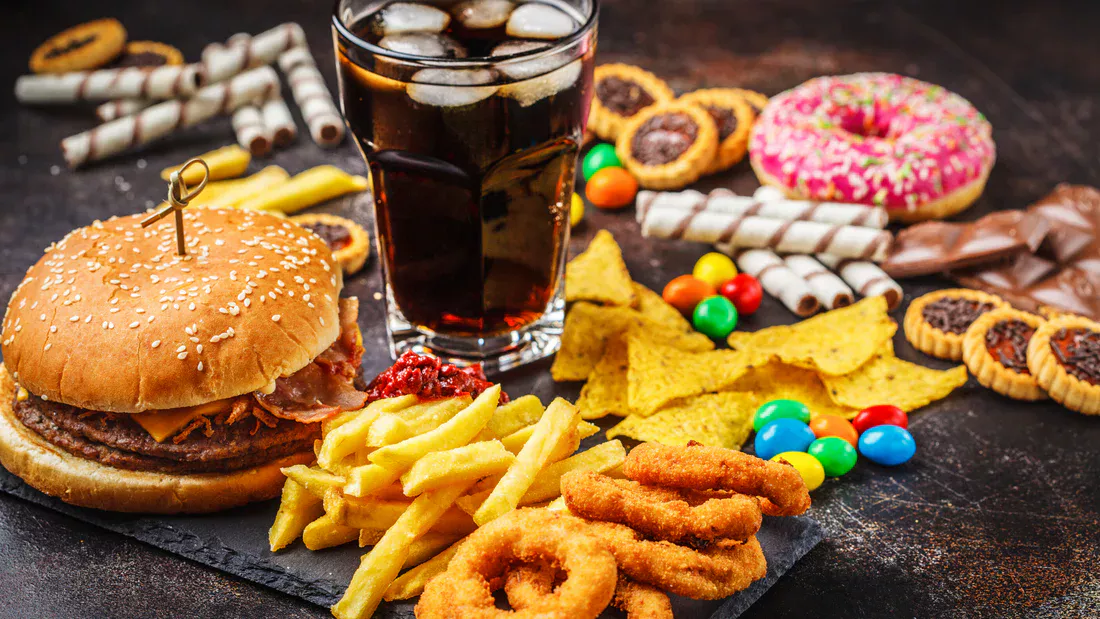
Over the past two decades, the American diet has undergone a dramatic transformation, and not necessarily for the better. Today, more than 60% of the average American’s caloric intake comes from ultra-processed foods, a stark contrast to the diets of the early 2000s, which leaned more heavily on whole foods (PubMed, 2022). This shift, coupled with rising rates of chronic diseases like obesity, diabetes, and heart disease, raises a critical question: is the food we’re eating making us sick? In this article, we’ll explore the major changes in the U.S. food supply from 2005 to 2025, their impact on our health, and practical steps you can take to eat cleaner in an increasingly processed world.
The rise in obesity rates paints a troubling picture: in 1990, no state had an obesity rate above 15%, but by 2020, nearly every state exceeded 30%, with many surpassing 35% (CDC, 2020). This isn’t just a coincidence-it’s a signal that our food environment has changed significantly. From the proliferation of genetically modified crops to the use of controversial additives, the American food industry has prioritized convenience, shelf life, and profit over health. Let’s dive into what’s changed, why it matters, and how you can take control of your diet in 2025.
Then vs. Now – What’s Really Changed in U.S. Food Over 20 Years
The American food landscape has shifted dramatically since 2005. Back then, fast food was a known health risk, but the dominance of ultra-processed foods, genetically modified organisms (GMOs), and chemical additives wasn’t as pronounced. Today, grocery store shelves are lined with products that bear little resemblance to the whole foods our grandparents ate. These changes stem from advancements in food technology, shifts in farming practices, and a regulatory environment that often lags behind health science.
The Rise of Ultra-Processed Foods
Ultra-processed foods are industrial creations made from substances extracted from foods or synthesized in labs, often packed with artificial flavors, sweeteners, and seed oils. These foods, like sugary cereals, packaged snacks, and frozen meals, now account for roughly 60% of the average American’s daily calories, a figure that has steadily climbed since the early 2000s (PubMed, 2022). These foods are designed to be hyper-palatable, triggering dopamine release in the brain, which makes them hard to resist. Common ingredients include high-fructose corn syrup, artificial colors like Red 40, and emulsifiers like polysorbate 80, which extend shelf life but may disrupt gut health.
A 2018 National Institutes of Health study found that people on an ultra-processed diet consumed an average of 500 extra calories per day compared to those eating minimally processed foods, leading to significant weight gain in just two weeks (NIH, 2018). This overconsumption is a key driver of the obesity epidemic, which now affects over 40% of U.S. adults (CDC, 2020).
GMO Foods: More Common Than Ever
Genetically modified organisms (GMOs) have become a cornerstone of American agriculture. As of 2023, over 90% of corn, soy, and canola grown in the U.S. are genetically modified (USDA, 2023). These crops are engineered for pest resistance or higher yields, but their long-term health impacts remain controversial. Some studies suggest GMOs may contribute to digestive issues or increased allergenicity, though conclusive evidence is still lacking (Wikipedia: Genetically Modified Food). The National Academy of Sciences has stated that GMOs currently on the market are safe, but public skepticism persists (National Academy of Sciences, 2015).
Unlike Europe, where GMO labeling is mandatory, the U.S. only requires labels for certain bioengineered foods under the 2016 National Bioengineered Food Disclosure Standard (USDA, 2016). This lack of transparency makes it difficult for consumers to avoid GMOs, which are found in everything from breakfast cereals to cooking oils. The debate over GMOs isn’t just about health-it’s also about environmental concerns, as monoculture farming tied to GMOs can deplete soil and increase pesticide use.
Antibiotics and Hormones in Meat and Dairy
The U.S. livestock industry relies heavily on antibiotics and hormones to boost growth and prevent disease in crowded factory farms. Approximately 70% of antibiotics in the U.S. are used in agriculture (FDA, 2022), contributing to the rise of antibiotic-resistant bacteria-a global health crisis. Hormones like recombinant bovine growth hormone (rBGH) are used in some dairy cows to increase milk production, despite being banned in the European Union due to concerns about hormonal imbalances in humans and animal welfare (Wikipedia: Bovine Somatotropin).
These practices have real consequences. A 2023 report from the World Health Organization linked antibiotic overuse in livestock to the spread of “superbugs,” which cause over 1.2 million deaths globally each year (WHO, 2023). In the U.S., hormones in milk have been associated with early puberty in children, though more research is needed (PubMed, 2010). Meanwhile, Europe’s stricter regulations prohibit many of these practices, highlighting a significant gap in food safety standards.
Food Additives: Banned Elsewhere, Legal in the U.S.
The U.S. allows numerous food additives that are banned or heavily restricted in Europe. For example, potassium bromate, used in some breads, is classified as a possible carcinogen by the International Agency for Research on Cancer but remains legal in the U.S. (Wikipedia: Potassium Bromate). Similarly, synthetic dyes like Red 40 and Yellow 5, found in candies and snacks, are linked to hyperactivity in children and are restricted in the EU (PubMed, 2012). Butylated hydroxyanisole (BHA) and butylated hydroxytoluene (BHT), preservatives in cereals and snacks, are also flagged for potential cancer risks but are still widely used (FDA, 2023).
The EU operates under the precautionary principle, banning substances unless proven safe, while the U.S. often allows additives until proven harmful. This regulatory difference means Americans are exposed to over 10,000 food additives, compared to just 400 in Europe (Wikipedia: Food Additives). These additives enhance flavor, color, or shelf life but may come at a cost to long-term health, with studies suggesting links to cancer, inflammation, and neurological issues.
Environmental Impact on Food Quality
Beyond what’s added to food, environmental factors are degrading the quality of what we grow. Modern farming practices and pollution are stripping nutrients from produce and introducing toxins into the food supply, further complicating efforts to eat healthily.
Soil Depletion = Fewer Nutrients in Produce
Intensive farming has depleted American soils of essential minerals, leading to less nutritious fruits and vegetables. A 2004 USDA study found that levels of magnesium, calcium, and zinc in produce have declined significantly since the 1950s (USDA, 2004). For example, broccoli today contains about 50% less calcium than it did 50 years ago. This nutrient loss means that even those striving to eat healthily may not be getting the vitamins and minerals they need, contributing to widespread deficiencies.
Soil degradation is driven by monoculture farming, overuse of chemical fertilizers, and lack of crop rotation. The USDA notes that sustainable practices like regenerative agriculture could reverse this trend, but adoption remains slow (USDA, 2022). For consumers, this means that a plate of vegetables in 2025 may not provide the same nutritional punch as it did in 2005.
Water Contamination and Heavy Metals in Crops
Industrial runoff and pesticides have introduced heavy metals like arsenic, lead, and cadmium into the U.S. food supply. The FDA’s 2021 report on baby food revealed concerning levels of these metals in rice cereals and root vegetables, prompting recalls and public outcry (FDA, 2021). Arsenic in rice, for instance, is a growing concern, with levels in some U.S.-grown rice exceeding WHO recommendations (WHO, 2014). Leafy greens and root crops are also vulnerable to contamination from polluted water sources.
These toxins accumulate in the body over time, potentially leading to neurological damage, kidney issues, and increased cancer risk. The Environmental Working Group (EWG) regularly updates its “Dirty Dozen” list, highlighting produce with the highest pesticide residues, such as strawberries and spinach (EWG, 2023). Choosing organic or locally sourced produce can help reduce exposure, but access and cost remain barriers for many.
Health Consequences of America’s Changing Diet
The changes in the U.S. food supply have fueled an epidemic of chronic diseases. Obesity rates have soared, with the CDC reporting that 42% of adults were obese in 2020, up from 30% in 2000 (CDC, 2020). Type 2 diabetes now affects over 37 million Americans, and heart disease remains the leading cause of death (CDC, 2022). These conditions are closely linked to diet, particularly the overconsumption of ultra-processed foods high in sugar, salt, and unhealthy fats.
The gut microbiome, critical for immune function and mental health, is also under siege. Ultra-processed foods and additives like emulsifiers disrupt gut bacteria, potentially contributing to conditions like irritable bowel syndrome and even depression (PubMed, 2019). Food intolerances and allergies are on the rise, with a 2023 study in The Lancet noting a 50% increase in food allergy diagnoses since 2000, possibly linked to GMOs and synthetic additives (The Lancet, 2023). Infertility rates are also climbing, with some research pointing to endocrine-disrupting chemicals in food as a factor (PubMed, 2017).
Why Europe Bans What the U.S. Allows in Food
The contrast between U.S. and European food safety standards is stark. Europe’s precautionary principle requires that food additives and practices be proven safe before approval, while the U.S. often waits for evidence of harm (Wikipedia: Precautionary Principle). This difference explains why substances like potassium bromate, Red 40, and rBGH are banned in the EU but permitted in the U.S. For example, the EU banned rBGH in 1999 due to animal welfare and potential human health risks (EU, 1999).
Cultural factors also play a role. European diets emphasize whole, minimally processed foods, with countries like Italy and Romania consuming just 13–15% ultra-processed foods compared to the U.S.’s 58% (PubMed, 2021). Stricter regulations and consumer demand for transparency drive these differences, pushing European food companies to reformulate products to meet higher standards.
How to Eat Cleaner in the U.S. – Even in 2025
Despite the challenges, eating healthier in the U.S. is possible with the right strategies. By making informed choices, you can reduce your exposure to harmful additives, GMOs, and contaminants while supporting sustainable practices.
Read Labels Like a Pro
Reading food labels is your first line of defense. Look out for red-flag ingredients like high-fructose corn syrup, artificial dyes (e.g., Red 40, Yellow 5), and MSG, which may hide under names like “natural flavor” or “yeast extract.” The fewer ingredients, the better-aim for products with recognizable, whole-food components. Apps like Yuka or the EWG’s Food Scores database can help decode labels and identify safer options (EWG Food Scores).
Choose Certified Foods
Certifications like USDA Organic and Non-GMO Project Verified offer assurance that products meet strict standards. USDA Organic ensures no synthetic pesticides, GMOs, or artificial additives (USDA Organic), while Non-GMO Project Verified confirms the absence of genetically modified ingredients (Non-GMO Project). The EWG’s Dirty Dozen list can guide you toward produce with lower pesticide residues, like avocados and sweet potatoes, while avoiding high-risk items like strawberries (EWG, 2023). For budget-conscious shoppers, prioritize organic for the Dirty Dozen and opt for conventional for the EWG’s Clean Fifteen (EWG, 2023).
Best American Brands That Focus on Food Quality
Several U.S. brands prioritize clean, high-quality ingredients. Thrive Market offers affordable organic and non-GMO products online (Thrive Market), while Nature’s Path produces organic cereals and snacks free of artificial additives (Nature’s Path). Applegate provides antibiotic- and hormone-free meats (Applegate), and Annie’s Homegrown offers kid-friendly options without synthetic dyes (Annie’s). Vital Farms focuses on pasture-raised eggs (Vital Farms), and Amy’s Kitchen delivers organic frozen meals (Amy’s Kitchen). These brands are widely available at retailers like Whole Foods, Sprouts, or online platforms like Amazon Fresh.
Final Thoughts: Is It Too Late to Eat Clean in America?
The challenges of eating healthily in the U.S. are real, but they’re not insurmountable. Awareness of food quality issues is growing, and consumer demand is driving change. From the rise of organic farming to stricter regulations like the USDA’s Strengthening Organic Enforcement rule (USDA, 2023), the food industry is slowly shifting toward transparency and sustainability. Your choices matter-every purchase of clean, whole foods sends a signal to producers and policymakers.
Start small: swap one ultra-processed snack for a piece of fruit, read labels on your next grocery trip, or try a recipe with organic ingredients. Over time, these habits can transform your diet and health. The American food system may have its flaws, but with knowledge and action, you can take control of what’s on your plate.
FAQ
What are the worst food additives allowed in the U.S.?
Additives like potassium bromate, BHA/BHT, and synthetic dyes (Red 40, Yellow 5) are concerning due to links to cancer, hyperactivity, and inflammation (PubMed, 2012). These are banned or restricted in the EU but remain legal in the U.S.
Is American food less healthy than European food?
Yes, American food tends to be less healthy due to higher ultra-processed food consumption (58% vs. 13–15% in some European countries) and looser regulations on additives and GMOs (PubMed, 2021).
How can I avoid GMOs in the U.S.?
Choose products labeled Non-GMO Project Verified or USDA Organic, as these guarantee no genetically modified ingredients (Non-GMO Project, USDA Organic). Avoid processed foods with corn, soy, or canola unless certified.
What are the best clean food brands in the U.S.?
Top brands include Thrive Market (Thrive Market), Nature’s Path (Nature’s Path), Applegate (Applegate), Annie’s Homegrown (Annie’s), Vital Farms (Vital Farms), and Amy’s Kitchen (Amy’s Kitchen), available at Whole Foods, Sprouts, or online.