
Precious metals have long been revered as valuable assets, not only for their physical beauty but also for their enduring role in global finance. From gold to silver and platinum, these metals have stood the test of time, proving their worth across centuries as reliable stores of value.
In today’s volatile economic landscape, precious metals remain a cornerstone for investors seeking stability and diversification. Their unique properties-such as scarcity, intrinsic value, and resilience to inflation-make them a popular choice for building a well-rounded investment portfolio. Whether held physically or through modern digital investments, precious metals continue to attract both seasoned and novice investors aiming to secure their financial futures.
Benefits of Investing in Precious Metals
1. Stability in Uncertain Times
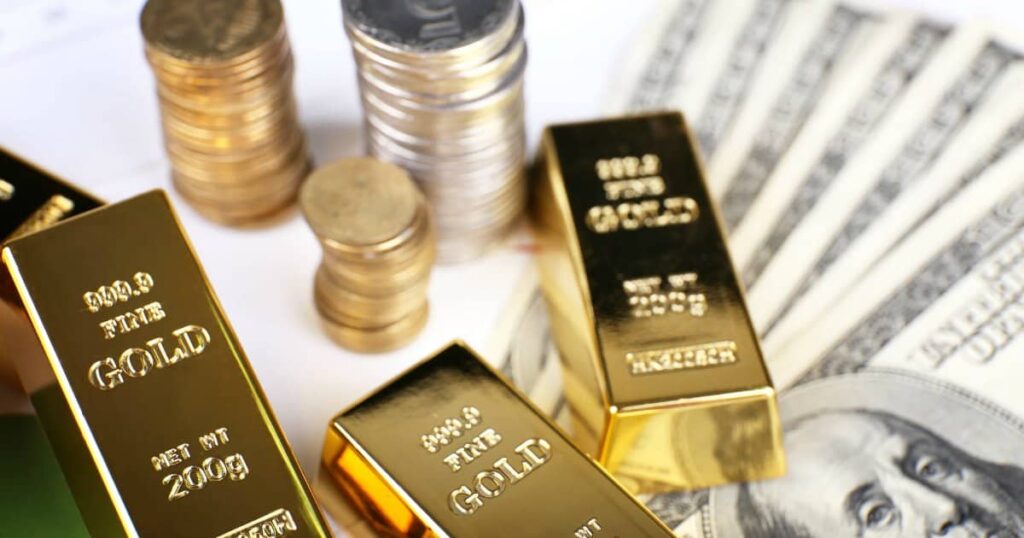
One of the key reasons precious metals are so sought after is their ability to remain stable, even during times of economic uncertainty. While traditional investments like stocks and bonds may experience significant volatility, metals like gold have consistently proven to be a safe investment.
Throughout history, gold has been a reliable store of value, particularly during financial crises. For instance, during the 2008 global financial crisis, while other markets were plunging, gold soared in value, making it a secure hedge against inflation and market turbulence. As a result, investors continue to turn to precious metals when seeking stability and safety for their portfolios.
2. Diversification for Your Investment Portfolio
Precious metal investments play an essential role in reducing risk by providing diversification within an investment portfolio. By incorporating metals like gold, silver, and platinum into a portfolio, investors can balance the risks associated with more volatile assets such as stocks. These metals have a low correlation with traditional financial markets, meaning they often perform well when other assets are underperforming.
Moreover, flexible investment options such as physical storage or digital investments allow investors to customize their portfolios according to their preferences and risk tolerance. Whether you prefer to hold precious metals in tangible forms, like bullion or coins, or explore digital assets through platforms offering digital precious metals, the ability to diversify with ease remains a significant advantage.
3. Variety of Precious Metals Available
When it comes to precious metal investments, investors have a variety of options. The most commonly traded metals are gold, silver, platinum, and palladium. Each metal offers unique characteristics, making them suitable for different investment goals.
- Gold remains the most popular choice due to its proven track record of preserving wealth over time.
- Silver is often seen as an affordable alternative to gold, with higher volatility but also the potential for higher returns.
- Platinum investments are typically chosen by those seeking a metal with significant industrial demand, which can drive up its value.
- Palladium, used primarily in the automotive industry, has seen a surge in demand, making it an appealing option for investors looking for exposure to the automotive sector.
Selecting the right precious metal investment choice depends on individual financial goals. While gold may be the best option for those seeking long-term stability, others may prefer the growth potential found in platinum or palladium.
4. Accessibility Through Digital Investments
In recent years, digital precious metals have become a popular way for modern investors to gain exposure to precious metals without the need for physical storage. Platforms offering Digital Precious Metals Investments allow investors to buy, sell, and trade metals like gold and silver digitally, while maintaining the same value and security as physical metals.
The rise of digital investments has made precious metals more accessible to a global audience, allowing investors to take advantage of market opportunities quickly and efficiently. Digital options provide greater liquidity and ease of access, appealing to tech-savvy investors who may prefer the convenience of managing their investments online. This growing trend shows how precious metals available today are not just limited to traditional forms but are also adapting to modern investment preferences.
Risks of Investing in Precious Metals
1. Volatility in Precious Metal Prices
While precious metals are often considered stable, their prices are not immune to fluctuations. These metals are influenced by various external factors that can cause their value to rise or fall over short periods. Precious metal prices can be volatile due to changes in market demand, geopolitical events, inflation rates, and movements in the US dollar.
For instance, the price of gold may spike during times of economic uncertainty or political unrest, as investors flock to the metal as a safe haven. Conversely, during periods of economic growth or when the US dollar strengthens, the demand for gold may decrease, leading to price drops. Similarly, industrial demand for metals like platinum and palladium can lead to price fluctuations, as these metals are heavily used in sectors such as automotive and electronics. Understanding the factors that influence price volatility is essential when considering precious metal investments.
2. Security and Storage Challenges
Another significant risk of investing in precious metals is the challenge of secure storage. Whether you choose to store precious metals physically or digitally, ensuring the safety of your investment is crucial.
- Physical storage: Precious metals such as gold and silver need to be stored securely to prevent theft or damage. This often involves paying for a safe deposit box at a bank or using a specialized storage service. However, the costs of physical storage can add up, and there’s always the risk of physical loss due to natural disasters or accidents.
- Digital storage: With the rise of digital precious metals, investors can store their assets in a digital vault. While digital storage offers convenience and accessibility, it comes with the risk of cyberattacks or platform failures. Ensuring that your digital investments are stored with reputable and secure platforms is key to avoiding potential losses.
3. Risks in Digital Precious Metals Investments
The shift to digital investments in precious metals offers many advantages, but it also comes with risks. As Digital Precious Metals Investments become more mainstream, investors must be aware of potential threats:
- Cybersecurity risks: Digital platforms are vulnerable to hacking, and digital assets can be stolen if proper security measures aren’t taken. It is crucial to choose platforms with robust encryption and security protocols to protect digital holdings.
- Regulatory risks: Digital assets are still a relatively new area of investment, and regulations may evolve, affecting the value and accessibility of digital precious metals. Investors need to stay informed about changing laws and regulations in their country or region.
- Liquidity risks: Unlike physical precious metals, digital investments may not always be easily liquidated or exchanged for cash. If there is limited market activity for the specific digital assets you hold, selling them may be challenging.
While these risks are inherent to digital precious metals, careful selection of platforms and ongoing risk management strategies can help mitigate potential losses. It’s important to understand why a digital investment might fail and to take steps to reduce these risks, such as using multi-factor authentication and diversifying holdings across different platforms.
4. Limited Yield Potential
Despite their many benefits, precious metals often offer limited yield compared to other asset classes, such as stocks or bonds. The primary function of precious metals is to preserve value, rather than generate income. As a result, investments in precious metals generally don’t produce dividends, interest, or other income streams. This makes them less attractive to investors seeking higher yields.
However, precious metals investments can still be a worthwhile choice for certain types of investors. For example, during periods of inflation or economic instability, precious metals can serve as a hedge, preserving purchasing power when other assets may lose value. Additionally, when combined with other high-yield investments in a diversified portfolio, precious metals can help balance risk and provide long-term stability.
Ultimately, while the yield potential of precious metals may be limited, their role in safeguarding wealth during uncertain times remains an essential part of a well-rounded investment strategy.
[related_posts]
How to Make the Right Precious Metal Investment Choice
1. Evaluate Your Investment Goals
Before diving into precious metal investments, it’s important to evaluate your investment goals and determine if metals align with your overall financial strategy. Precious metals like gold, silver, platinum, and palladium are typically long-term investments that provide stability, but they do not always offer immediate returns or income generation like stocks or bonds.
If your objective is to hedge against inflation, preserve wealth, or diversify your investment portfolio, then precious metals may be a great fit. These metals have a historical track record of maintaining value during market downturns and geopolitical instability, making them ideal for risk-averse investors.
However, if you are looking for short-term growth or high returns, precious metals might not provide the same level of profit potential as other asset classes. Assessing your risk tolerance and time horizon is key in deciding whether precious metal investments should be part of your diversified portfolio.
2. Compare Flexible Investment Options
Once you’ve decided that precious metals are a good fit for your portfolio, the next step is to choose the right investment option. There are several flexible investment options for purchasing and holding precious metals, each with its own set of advantages and disadvantages.
- Physical Storage: Investing in physical precious metals (gold bars, silver coins, platinum bullion) allows you to hold tangible assets. This option provides full control over your investment, and many investors prefer the idea of owning the physical asset. However, it requires safe and secure storage, which can involve additional costs, such as safe deposit boxes or professional vault services. Furthermore, physical metals are less liquid, meaning you may face challenges selling them quickly in certain market conditions.
- Digital Investments: With the rise of digital precious metals, investors can buy and sell metals through online platforms, providing more flexibility and ease of access. Digital precious metals are backed by actual physical metals, but they can be traded without the need for physical storage. The major advantages here are lower storage fees, greater liquidity, and easier access to the global market. However, digital investments come with the risk of cybersecurity threats and the potential for regulatory changes.
When choosing between physical storage and digital investments, consider factors such as liquidity, security, convenience, and the costs involved. A combination of both options could be a suitable strategy for many investors, allowing you to enjoy the benefits of each approach.
3. Follow Precious Metal Prices and Trends
The key to maximizing your returns from precious metal investments is staying informed and actively monitoring the market. Precious metal prices can be affected by a variety of factors, including economic conditions, geopolitical events, and shifts in investor sentiment. By following these trends, you can make informed decisions about when to buy or sell your investments.
To stay ahead of the curve, investors should regularly check precious metal prices, observe market cycles, and keep an eye on global events that could affect supply and demand. Factors such as changes in interest rates, inflation, and central bank policies can drive significant fluctuations in the price of metals like gold and silver.
Additionally, utilizing online tools and resources that track precious metals available in the market can help you spot opportunities and trends. Analyzing historical performance and consulting with market experts can give you valuable insights into the best times to invest in precious metals and optimize your portfolio’s performance.
Conclusion
Investing in precious metals offers a mix of stability and risk that can play a crucial role in diversifying and securing an investment portfolio. While these metals have historically been reliable assets, especially in times of economic uncertainty, they come with their own set of challenges-ranging from price volatility to the complexities of storage and security. However, with careful planning and a strategic approach, investors can harness the potential of precious metals while mitigating risks.
The benefits of precious metal investments are clear: stability during economic downturns, diversification, and a variety of flexible investment options, whether physical or digital. Yet, it’s also important to recognize the risks, such as fluctuating prices, storage concerns, and the unique challenges of digital investments. By thoroughly understanding these factors, investors can make informed choices that align with their financial goals and risk tolerance.
A well-thought-out strategy is crucial for success in precious metal investments. Whether you are a beginner or a seasoned investor, it’s essential to evaluate your investment goals, compare different investment options, and stay informed about market trends. Doing so will not only help you minimize risks but also optimize the potential rewards that precious metals can offer.
Start by researching the market, analyzing precious metal prices, and understanding the various investment avenues available. By making informed decisions, you can ensure that your precious metal investment choice contributes to the long-term success of your investment portfolio.
FAQ: Investing in Precious Metals
- What are the benefits of investing in precious metals?
Investing in precious metals, such as gold, silver, and platinum, offers benefits like stability during economic downturns, diversification of your portfolio, and a hedge against inflation. These metals tend to retain value even during times of financial crisis, making them a secure investment choice for preserving wealth. - How can I invest in precious metals?
You can invest in precious metals in two primary ways: physical investments (such as gold bars, silver coins, or platinum bullion) and digital investments (buying and selling metals through online platforms). Physical investments require secure storage, while digital investments offer greater liquidity and lower storage costs but come with cybersecurity risks. - Are precious metals a good fit for my investment portfolio?
Precious metals are an excellent choice if you’re looking to diversify and protect your investments from market volatility. They are particularly suitable for risk-averse investors looking to hedge against inflation. However, they may not be ideal for those seeking high short-term returns, as they do not typically generate dividends or interest. - What risks are involved with investing in precious metals?
Key risks include price volatility, security and storage challenges, and potential issues with digital investments such as cybersecurity threats and regulatory uncertainties. Additionally, precious metals tend to offer limited yield potential compared to stocks or bonds, making them less suitable for income-focused investors. - How can I track precious metal prices and trends?
Staying informed about market trends and fluctuations is crucial for successful precious metal investments. You can track prices through online platforms, financial news outlets, and specialized tools that monitor the performance of gold, silver, and other metals. It’s also important to consider global economic factors and geopolitical events that may influence metal prices. - What is the best precious metal to invest in?
The best precious metal to invest in depends on your financial goals and risk tolerance. Gold is often preferred for long-term stability, while silver offers more volatility and potential for higher returns. Platinum and palladium may be suitable for investors looking for exposure to industrial demand. Carefully evaluate each metal’s characteristics and consider how it aligns with your investment strategy.
 Business Ocean